Images of Iran: Relief Sculpure, National Museum of Iran, Tehran
Relief sculpture at the National Museum of Iran in Tehran.
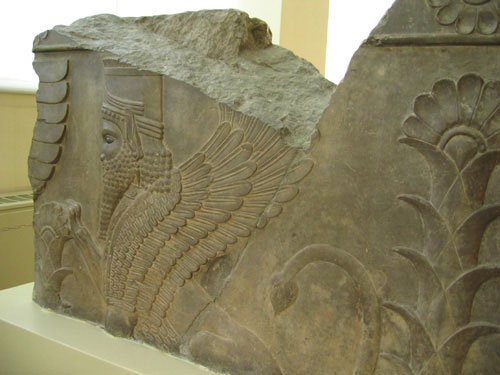
Rock relief sculpture has a long and distinguished history in Iran, serving as a medium for royal propaganda, religious expression, and the recording of historical events carved directly into cliff faces and monumental sites. Some of the finest surviving examples date to the Sassanian Empire (224–651 CE), such as the celebrated reliefs at Taq‑e Bostan near Kermanshah, which depict investiture scenes of kings like Ardashir II and Shapur III and elaborate royal hunting episodes, emphasizing imperial power, divine sanction, and ceremonial grandeur. These large bas‑reliefs, carved into the Zagros Mountains, are among the best‑preserved works of Persian rock art and reflect sophisticated artistic conventions of the period. Iran also preserves Parthian and later reliefs - such as the Parthian Stone at Bisotun and the 19th‑century Nassereddin Shah relief - illustrating both ancient royal imagery and the enduring tradition of rock carving across millennia.