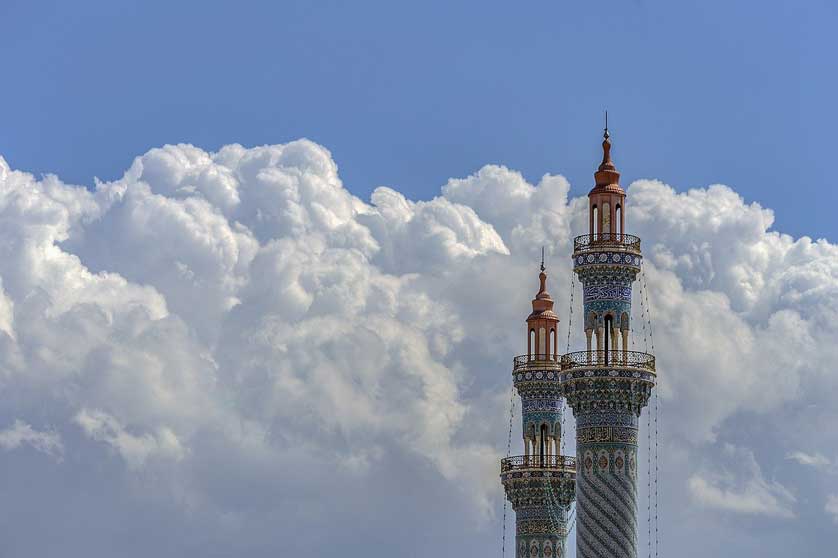
Religion in Iran

Mariam Noronha
Muslims constitute a majority in the Islamic Republic of Iran while Zoroastrians, Christians, Jews and Bahá'ís make up the non-Muslim minority of the nation.
Iran is a predominantly Shi'ite country where Sunnis and Sufis are minority Muslim communities.
The Shi'ite branch of Islam has been further divided in to several sub-sects and majority of Iranian Muslims are followers of Twelve Imams.
Here is a look at religion and religious diversity in Iran.
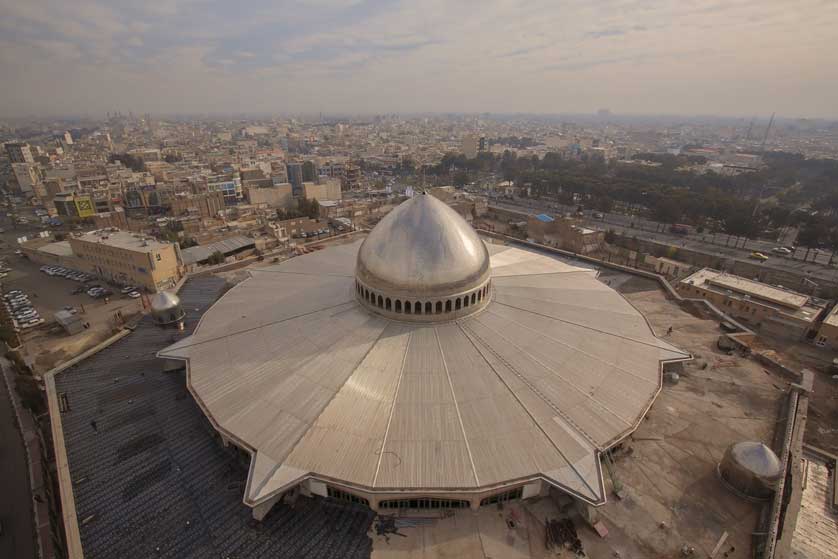
Iran: The Emergence of the Islamic Republic
Demonstrations against the ruling Reza Shah Pahlavi in January 1978 marked the beginning of the Islamic Revolution of Iran. Following widespread dissent the Shah fled Iran in 1979 and Ayatollah Khomeini returned from exile in the same year.
On April 1st, 1979 the Islamic Republic of Iran was born out of a national referendum to create an Islamic State. Ayatollah Khomeini became the Supreme Islamic leader of the nation in December 1979 by virtue of the enactment of a theocratic constitution.
Ayatollah Ali Khamenei succeeded Khomeini to the most powerful office of Iran after his death. That Islam pervades public life in Iran is evident from an Islamic dress code for women, the existence of numerous mosques across the country, prayer rooms in public places to trains halting to offer namaz (prayers), all glimpses of the Islamic way of life are visible across the country.
Muslims: Shias, Sunnis and Sufis
The Sassanian Kings who once ruled over Iran recognized Zoroastrianism as the official religion of the country. All this changed after the Arabs invaded Iran and many of the Zoroastrians were converted to Islam. A majority of those who did not convert migrated to India while others chose to stay behind and practice their faith. Muslims today dominate the religious make up of the country and are divided in to three main sects; Shias, Sunnis and Sufis.
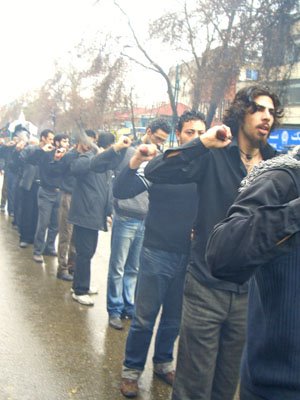
Shias
The Shi'ite population is a majority among Muslims in Iran, of which there are two major sub-sects, the Twelve Imam Shi'ites and the Seven Imam Shi'ites. The former far out number the latter in modern day Iran and the cities of Qom and Mashhad are home to some of the holiest pilgrim sites of the Shia faith. Qom is the seat of learning for Shi'ite clerics and others who are interested in the study of Islamic theology.
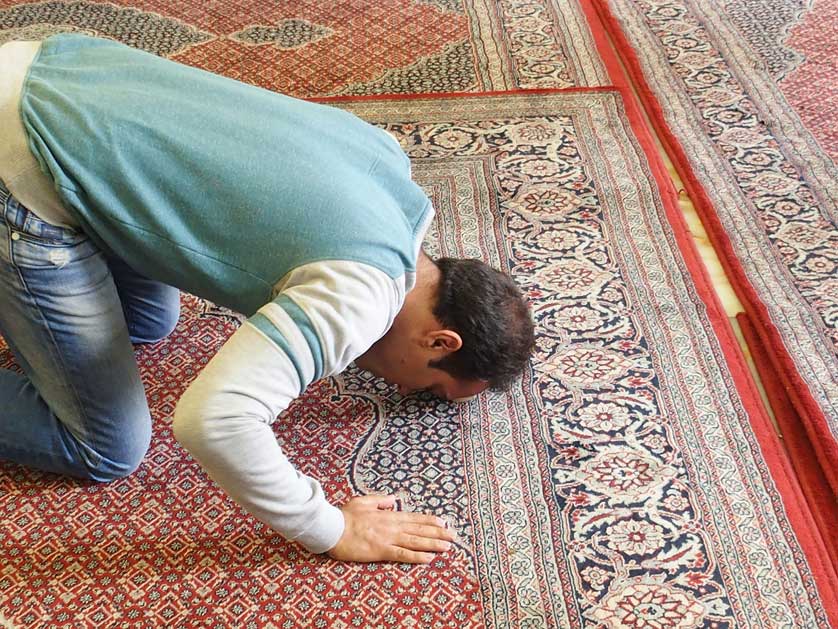
Sunnis
Sunnis are the largest minority among Muslims in Iran. A minority of the Arabs in Hormozgan Province together with the Kurds, Balochis and Turks make up most of the Sunni populace.
Sufis
The Sufi way of life is more loosely structured and allows for individual freedom in the pursuit of the love of God. Sufi music, poetry and writings have found wide acceptance among a global audience. The number of Sufis in Iran has grown by leaps and bounds and while there are no official figures available it is estimated that there are around two to five million practitioners of this mystical aspect of Islam in the country.
Zoroastrians in Iran
Prior to the Arab invasion of Iran, the Sassanian dynasty had accorded the status of official religion of Iran to Zoroastrianism. Good thoughts, good deeds and good words at all times are the governing principles of the Zoroastrian faith. Following the Arab invasion, Zoroastrians in Iran faced severe religious discrimination and were subjected to forced conversion, exile and harassment in the form of sanctions in all major aspects of life. Most Zoroastrians in modern day Iran call the cities of Tehran, Kerman and Yazd home.
Christians
Christianity in Iran is as old as the Christian faith. Christians have always been a minority, earlier overshadowed by the Zoroastrians and now by the Muslims. Most of the Christians in Iran are ethnic Armenians and Assyro-Chaldeans. There is a small protestant community which resides in the country.
Jews in Iran
Judaism has been practiced in Iran for centuries now. References in ancient biblical texts to the lives of Jews in Persia further substantiate this fact. Today Jews in Iran mainly reside in Tehran, Isfahan and Yazd.
Bahá'ís
The Bahá'í community is the largest non-Muslim minority in Iran. The Bahá'í faith originated in Iran in 1840 and its followers are scattered in small communities across the country. Today, Bahá'ís are found in large numbers in the city of Tehran and in the villages of Fars and Mazandaran.
Religion has always had a significant impact on the history and society of Iran. Depending on the ideology of the dynasties that once ruled Iran and the government which has been administrating the country since the Islamic Revolution, religion continues to govern the way of life in the country.