A Guide to Persian Nuts and Dry Fruits
Mariam Noronha
Dry fruits, seasonal fruits, cream puffs and tea are commonly served at mahmooni, entertaining guests. Here is a closer look at the various types of Persian nuts and fruits you will find on a platter or Sofreh at a Persian home.
Pistachios
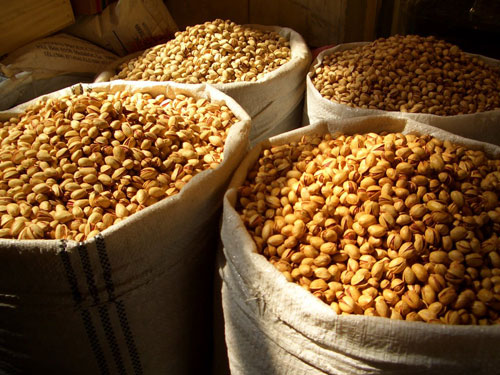
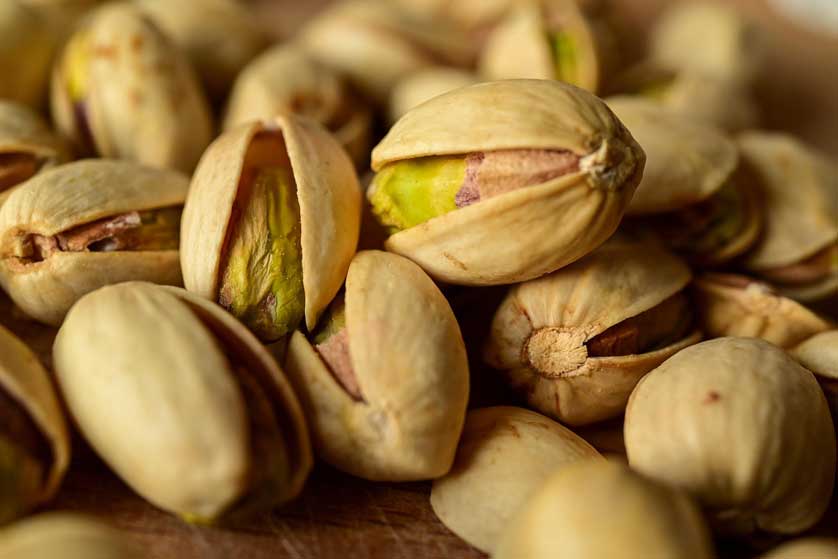
Pistachios are a hot favorite with any Iranian. In fact, Iranian pistachio trees have been around for thousands of years and are mainly found in Kerman province, where more than 160,000 hectares of land is used to grow pistachios.
Iranian pistachios can be salted, roasted, flavored with lime, spice or eaten plain. Iran tops the world in the production of pistachios and produces the finest varieties of pistachios. The various varieties include Fandoghi (round pistachios), Kallehghouchi jumbo pistachios, Akbari (long pistachios) or Ahmadaghi Badami.

Ajil
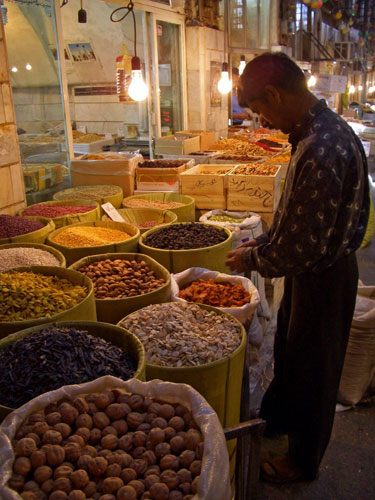
Ajil is a general term Iranians use for any type of mixed nuts. Every Iranian home has an assortment of nuts available at any hour. Ajil may be sweet or salted. Salted Ajil comprises almonds, tokhmeh hindwaneh roasted melon seeds, tokhmeh kadoo roasted squash seeds, roasted chickpeas, hazelnuts, cashews and walnuts. Sweet Ajil will comprise nuts and raisins, dried figs, sweets and sugar cubes.
Ajil is associated with different occasions and celebrations and is a part of the spread of a Sofreh, Sofreh Aghd and Sofreh Nooruz. Sometimes people carry some Ajil from a Sofreh for good luck.
On a visit to a Persian home, Ajil is most definitely something that guests will be served.
Tokhmeh
Tokhmeh is a term used for roasted seeds. Iranians love to munch on a variety of tokhmeh such as tokhmeh aftabgardoon (sunflower seeds), pumpkin seeds, watermelons, mashmelons, squash and other fruits and vegetables.
Roasted with salt or lime, this popular Persian snack is eaten by breaking the shell and eating the inside piece of the seeds.
Related Iran Food Articles