Bazaars In Iran: Shopping
Mariam Noronha
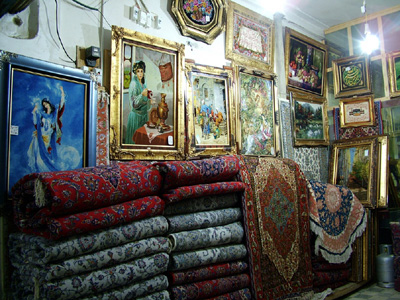
Shopping is on the agenda of most visitors to Iran and shopping in the country's colorful bazaars (markets) which are choc-a-bloc with a variety of indigenous goods and handicrafts is a unique experience indeed.
Strategically located at the biggest square in the city, bazaars are an indispensable part of the city scape in Iranian cities and towns. In addition to the regular bazaar, Iranian villages have two kinds of temporary bazaars, seasonal bazaars and day bazaars.
Seasonal bazaars are usually held to commemorate an occasion such as a festival and as such are a permanent fixture in the social calendar of a village. Day bazaars are held on certain days of the week and offer people from that village and surrounding areas an opportunity to procure items that they require.
History
When markets were first set up in Iran, bazaars were old structures comprising a set of shops and were usually located along a river or stream. As time went by these structures were roofed, passages, alleys and sections were added in a bid to organize the market. Bathhouses (hammams), schools and mosques were also added to the bazaar to provide more facilities for visitors.
Bazaar Terminology
Some terms which are associated with Persian bazaars are:
Rasteh Bazaar which is the main passageway housing shops of the same guilds.
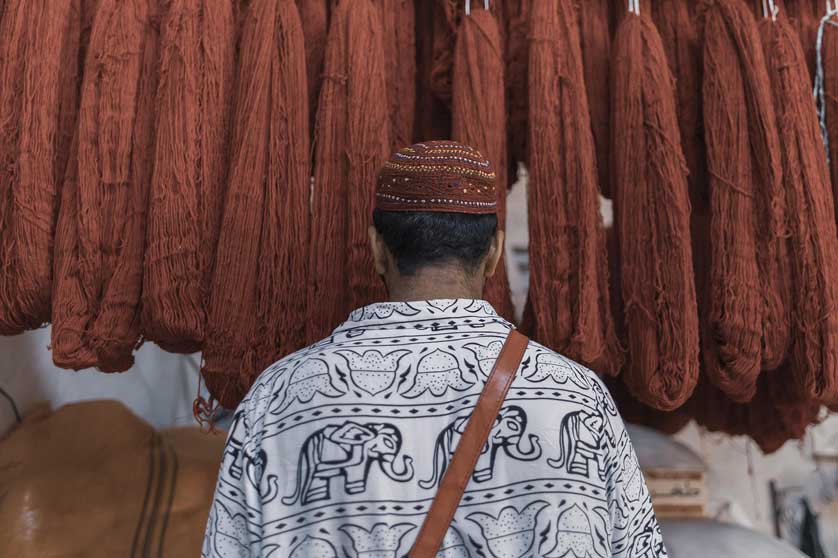
Bazaaries are merchants, brokers, sellers, money changers and traders who operate in a Persian bazaar. They used to be powerful enough to influence the policies of the country when the economy was not as developed and modernized as it is today. Bazaaries of the same guild have shops adjacent to each other or in the same section of the market.
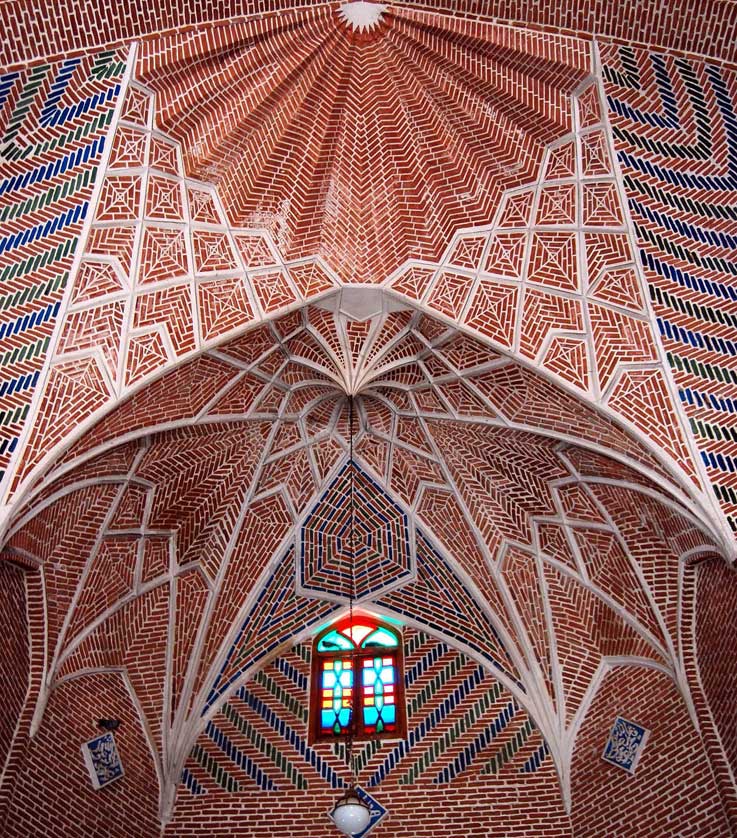
Chaharsu/Charsu is the most beautiful part of a big bazaar. Located at the intersection where two Rastehs meet it served as the station of the head guard of the bazaar, it is the cynosure of all eyes for its architectural grandeur.
Dalan is a connecting passageway, Qeisarieh is a passageway in which light-weight and expensive wares are on sale while Tim &Timcheh is an enclosed area with beautifully decorated roofs where bulky and expensive goods are sold.

Persian bazaars are a treasure trove of goods and handicrafts but shopping is not the only thing here. A visit to the bazaar is an experience in itself as it is an opportunity to get a glimpse of the lives of the local populace.
Tea sellers in their colorful attire, juggle tea cups in one hand while they pour the aromatic beverage with the other. People stop by at bakeries to get a freshly baked loaf of bread while others stop for a glass of sherbet or mash melon milkshake.
Ice cream sellers are inundated with people of all age groups clamoring for a scoop of ice cream. The air is filled with the aroma of kebabs cooking on skewers, burgers and samosas (deep fried pastries stuffed with mince or meat) and chelo kebab.
Women indulge in some window shopping at the jeweler and others step in to make that big purchase. People looking to unwind head for the hammam for a relaxing bath, families haggle with roadside vendors to get the best deal and money changers clamor for the attention of tourists while others sit at a Persian café sipping on black tea sweetened with sugar cubes.
Who says a visit to the Persian bazaar is all about shopping? It is just what you need to lift your spirits, soak in the spirit of the people of Iran and yes, if you like indulge in some retail therapy!