Masjid-e-Jamkaran, Qom
Mariam Noronha

Masjid-e-Jamkaran is an important pilgrim center for Shia Muslims who are followers of the Twelve Imams. Located near Qom, the Masjid draws pilgrims from all parts of Iran as well as other countries, who stream in to Qom where all roads head to the mosque on Tuesday evenings.
Traditions & History
The Masjid was built in the year 393 AH (1003 by the Gregorian calendar) by Hassan Bin Maslah by the order of Imam Madi (A.S), the Twelfth Imam of the Shia Isna Ashari (translated as followers of the Twelve Imams) Muslims. It is believed that the Holy Imam himself visits the mosque complex every Tuesday night which is why several thousands Shia pilgrims converge here on that day.
Shias widely believe that the Imam has said that his followers must pray four Rakaat Salaat in this Masjid, the benefits of which are equivalent to praying inside Khan-e-Ka'aba in Mecca. There is a well behind the mosque and it is customary for pilgrims to write an areeza (request) asking the Imam to take their petitions and pleas to Allah (SWT) and put them in this well.

The Complex
The mosque is an architectural masterpiece which celebrates Persian art in every corner. The blue and green domes with minarets decorated with Persian tiles stand out vividly against the clear sky attracting your attention even as you drive towards the complex.
A sea of humanity greets you particularly on Tuesday evenings when special prayers and salutations are offered to the Imam Madi (A.S), the twelfth Imam of the Shia Isna Ashari Muslims. The sprawling complex has a number of gates and one can get lost in the crowd. There is a help desk in place and you can always approach them if the need arises. Facilities for drinking water, ablutions and toilets are well spread across the complex which caters for thousands of visitors. Iranian families often bring along stoves, vessels, and cutlery and prepare tea and food to sustain them as they prepare to spend the night in prayer.
Do not carry a lot of money or valuables with you. If you are visiting the complex on a Tuesday evening and would like to participate in congregational prayers then go early. The mosque tends to get very crowded and attendants have to close the doors when it is packed to capacity so as to avoid overcrowding and the possibility of stampedes.

Memorabilia
Pilgrims may take with them memorabilia in the form of prayer beads, salt and currency notes (specially printed by the mosque only for the purpose of bestowing good fortune on pilgrims). To procure this memorabilia a small amount called "hadiyeh" must be paid as a token by the pilgrims. Special counters have been set up right near the doorstep of the mosque to distribute this.

Dress Code
The Islamic dress code is strictly enforced in Iran and Masjid-e-Jamkaran is no exception. Women usually wear trench coats with trousers and cover their heads with head scarves. A chador is a must while entering religious places. Men are not allowed to wear shorts.
Access To Qum
The mosque is a fifteen minute drive from Qom and the best way to reach the complex to take a taxi from outside the Roza-e-Masooma-e-Qum complex. If you are a large group then hiring a bus would be more economical and convenient.
There are buses from Qom to many destinations including Tehran (1.5 hours), Hamadan (5 hours), Kermanshah (8 hours), Yazd (8 hours), Shiraz (13 hours) and Esfahan (6 hours).
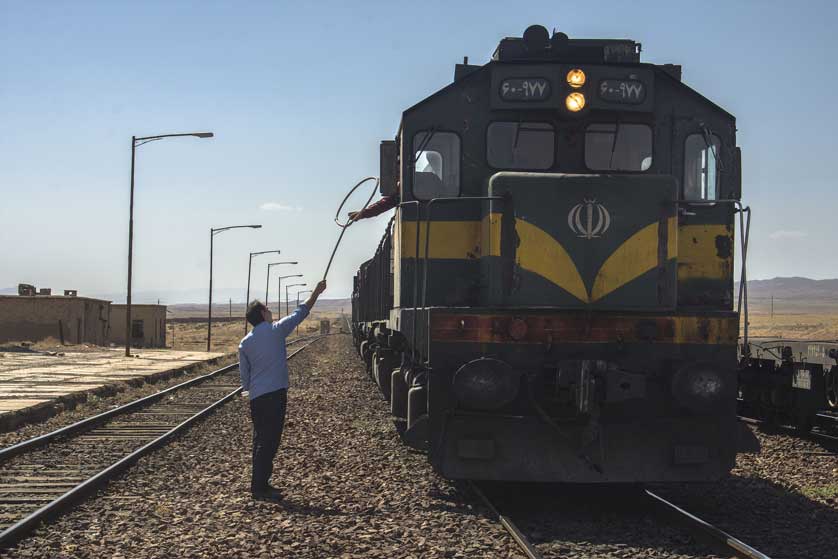
There are infrequent trains to Tehran (approximately 2.5 hours).
Related Articles on Iran
Pilgrim sites in and around Qom
Book Hotel Accommodation in Iran
Hotels in Iran - Booking.com
Hotels in Tehran - Booking.com
Hotels in Esfahan - Booking.com
Hotels in Kish - Booking.com
Hotels near Imam Khomeini International Airport (Mahmudabad)
Hotels in Mashhad - Booking.com
Hotels in Shiraz - Booking.com
Hotels in Yazd - Booking.com

Book Hotel Accommodation in The Middle East
Hotels in Dubai & UAE - Agoda
Hotels in Egypt - Agoda
Hotels in Jordan - Agoda
Hotels in Kuwait - Agoda
Hotels in Lebanon - Agoda
Hotels in Qatar - Agoda
Hotels in Saudi Arabia - Agoda